
OrganicTraffic

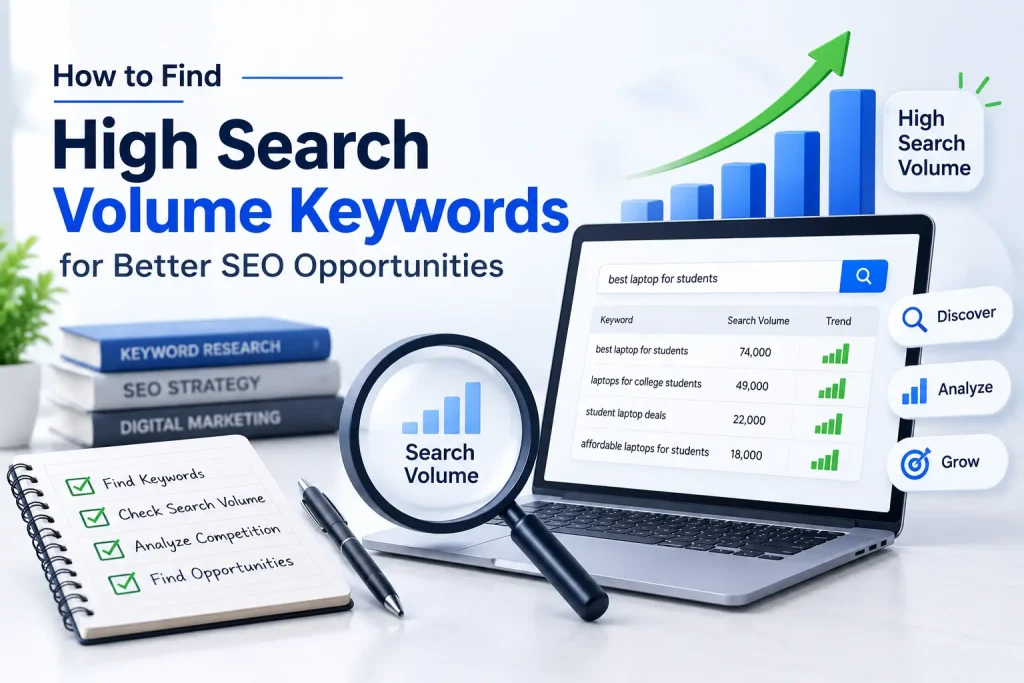
How to Find High Search Volume Keywords for Better SEO Opportunities
SEO

How to Find High Search Volume Keywords for Better SEO Opportunities

Finding the right keywords can help businesses understand what their audience is actively searching for. High search volume keywords represent search terms that receive a significant number of searches over a given period and can reveal important opportunities for content and SEO planning. However, high volume alone does not make a keyword valuable. To choose the right opportunities, businesses need to consider search intent, relevance, competition, and business goals. This guide explains how to find and evaluate high-volume keywords effectively. In This Article What Are High Search Volume Keywords? High search volume keywords are terms that receive a relatively large number of searches, usually measured through estimated monthly search volume. For example, broad industry terms often attract more searches than highly specific phrases. However, a keyword with substantial keyword search volume may also have strong competition. This means search volume should be treated as one part of keyword research rather than the only deciding factor. A useful keyword should also be relevant to what your business offers and what your target audience wants to find. How to Find High Volume Keywords When learning how to find high volume keywords, start with topics directly connected to your products, services, industry, and customer needs. Useful sources for keyword discovery include: Start with broad topics and explore related search terms. Keyword tools can help identify estimated search demand and reveal variations that may attract significant traffic. You can also group related keywords around a single topic instead of creating separate content for every variation. This approach helps create more comprehensive and useful pages. Analyse Monthly Search Volume Carefully Monthly search volume provides an estimate of how frequently a keyword is searched. While this information is useful, it should not be viewed as a guaranteed number of visitors. Search behaviour can change based on seasonality, location, trends, and user demand. Some keywords may show strong volume during specific periods, while others maintain more consistent interest. Compare search volume with relevance. A keyword attracting thousands of searches may not benefit your business if the people searching are looking for something completely different. The strongest opportunities usually combine meaningful search demand with relevant user intent. Look Beyond High Traffic Keywords Many businesses focus only on finding high traffic keywords, but traffic potential should be evaluated realistically. Search a keyword and review the pages already appearing in the results. Consider: A keyword with moderate search volume and strong relevance may sometimes be more valuable than a broad keyword that attracts large amounts of unrelated traffic. Choose Keywords Based on Search Intent Before targeting any keyword, understand the reason behind the search. Someone searching for information has different needs from someone comparing services or preparing to make a purchase. A balanced SEO strategy considers both keyword search volume and search intent. Informational keywords can support educational content, while commercially relevant searches may be useful for service or product-focused pages. By matching keywords with the right type of content, businesses can create a clearer and more useful search experience. Frequently Asked Questions Q1. What are high search volume keywords? Ans: High search volume keywords are search terms that receive a relatively large number of searches within a specific period, usually measured using estimated monthly search data. Q2. How can I find high-volume keywords? Ans: You can use keyword research tools, Google search suggestions, related searches, and industry research to discover relevant keywords with strong search demand. Q3. Is a high keyword search volume always better? Ans: No. High volume does not automatically mean a keyword is valuable. Search intent, relevance, competition, and business goals should also influence keyword selection. Q4. Should I target only high traffic keywords? Ans: No. A balanced strategy should include relevant keywords with different search volumes and levels of competition to support broader SEO opportunities. Conclusion Finding high search volume keywords is useful for understanding audience demand and identifying content opportunities. The best keyword choices are not based on volume alone but on a combination of search demand, relevance, competition, and user intent. A well-planned keyword strategy helps businesses focus their content on topics that genuinely matter to their audience. Strengthen Your Keyword Strategy With Professional SEO Support Identifying valuable keyword opportunities requires research, analysis, and a clear understanding of your audience. TVM Info Solutions provides professional Search Engine Optimization (SEO) support to help businesses improve search visibility through relevant content and strategic SEO planning. πŸ“ž Call Us: +919004590039πŸ“§ Email: contact@tvminfo.com Our Business Automation Solutions: πŸ’¬ ChatKar – Turn WhatsApp chats into sales: https://chatkar.com/🌟 StarCreator – Build AI automations: https://starcreator.co/πŸ“§ AutoMailSend – Own your email marketing: https://automailsend.com/🎯 AttractLead – Capture & convert leads automatically: https://attractlead.in/
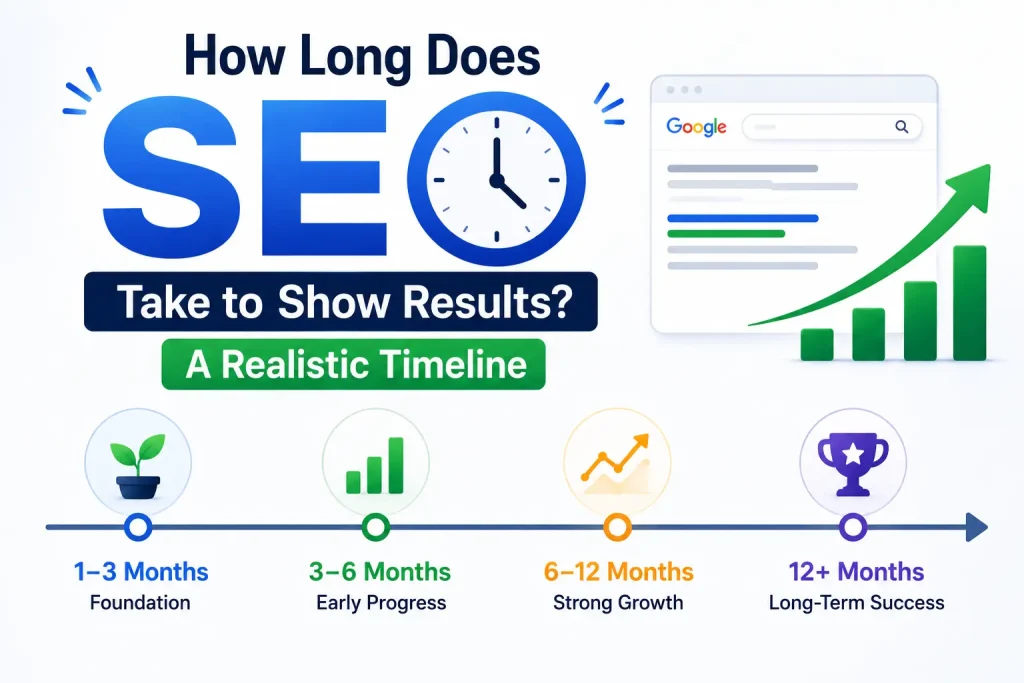
How Long Does SEO Take to Show Results
SEO

How Long Does SEO Take to Show Results? A Realistic Timeline

How long does SEO take? This is one of the most common questions businesses ask before investing in Search Engine Optimization. The honest answer is that SEO does not produce instant results. Search visibility usually develops gradually as search engines discover, evaluate, and understand improvements made to a website. The SEO results timeline can vary depending on your website, competition, industry, technical condition, content quality, and the keywords you target. Understanding these factors helps businesses set realistic expectations and build a sustainable search strategy. In This Article Why Does SEO Take Time? SEO involves more than adding keywords to a webpage. Search engines need time to crawl, index, and evaluate new or updated content. A successful SEO approach may include improving website structure, technical performance, content relevance, keyword targeting, internal linking, and user experience. These improvements often work together rather than producing immediate changes individually. That is why the answer to how long does SEO take to work depends on the starting condition of the website and the level of competition in the search results. What Factors Affect the SEO Results Timeline? Several factors can influence when will SEO show results: For example, a website targeting highly competitive search terms may require more time and resources than a business targeting specific, lower-competition topics. How Long Does It Take to Rank on Google? There is no fixed timeline for how long to rank on Google. Some pages may begin gaining visibility relatively quickly, while competitive keywords can require a longer-term strategy. Instead of focusing only on a specific ranking deadline, businesses should monitor meaningful progress. Early indicators can include improved keyword visibility, increased impressions, more indexed pages, growing organic traffic, and stronger engagement. SEO should therefore be viewed as an ongoing process, not a one-time activity. Search results can change as competitors update their websites and search engines refine how they evaluate content. What Happens During the SEO Process? A structured SEO process generally begins with understanding the website’s current position and identifying opportunities for improvement. This may include keyword research, technical analysis, content optimization, on-page SEO improvements, and authority-building activities. Over time, the strategy should be reviewed using performance data and adjusted based on results. A strong approach also focuses on search intent. Creating content that genuinely answers what users are looking for can improve relevance and create a better experience for visitors. How Should Businesses Measure SEO Progress? Rankings are important, but they should not be the only measurement of success. Businesses should also evaluate organic traffic, search impressions, clicks, conversions, and the quality of visitors coming from search. A practical SEO strategy focuses on steady improvement and business relevance rather than chasing quick results. Consistent optimization, useful content, and a technically sound website can create a stronger foundation for long-term search visibility. Frequently Asked Questions 1. How long does SEO take to show results? SEO results vary depending on competition, website condition, content quality, and the strategy being implemented. SEO is generally a gradual process, and progress should be measured consistently over time. 2. Why is SEO taking so long? SEO can take time because search engines need to discover and evaluate website changes. Competition, technical issues, weak content, and inconsistent optimization can also affect progress. 3. Can SEO deliver instant rankings? No legitimate SEO strategy can guarantee instant rankings. Sustainable SEO focuses on improving relevance, website quality, and search visibility over time. 4. How can I improve my SEO results? Focus on useful content, relevant keywords, technical website improvements, strong user experience, and consistent optimization based on performance data. Conclusion Understanding how long does SEO take helps businesses approach search optimization with realistic expectations. SEO progress depends on multiple factors, but a consistent, well-planned strategy can strengthen organic visibility and support long-term digital growth. Build a Sustainable SEO Strategy for Long-Term Growth Businesses that want stronger search visibility need more than quick fixesβ€”they need a strategy based on their website, audience, competition, and business goals. TVM Info Solutions provides professional SEO support to help businesses develop and improve their search presence through a structured approach. πŸ“ž Call Us: +919004590039πŸ“§ Email: contact@tvminfo.com Our Business Automation Solutions: πŸ’¬ ChatKar – Turn WhatsApp chats into sales: https://chatkar.com/🌟 StarCreator – Build AI automations: https://starcreator.co/πŸ“§ AutoMailSend – Own your email marketing: https://automailsend.com/🎯 AttractLead – Capture & convert leads automatically: https://attractlead.in/
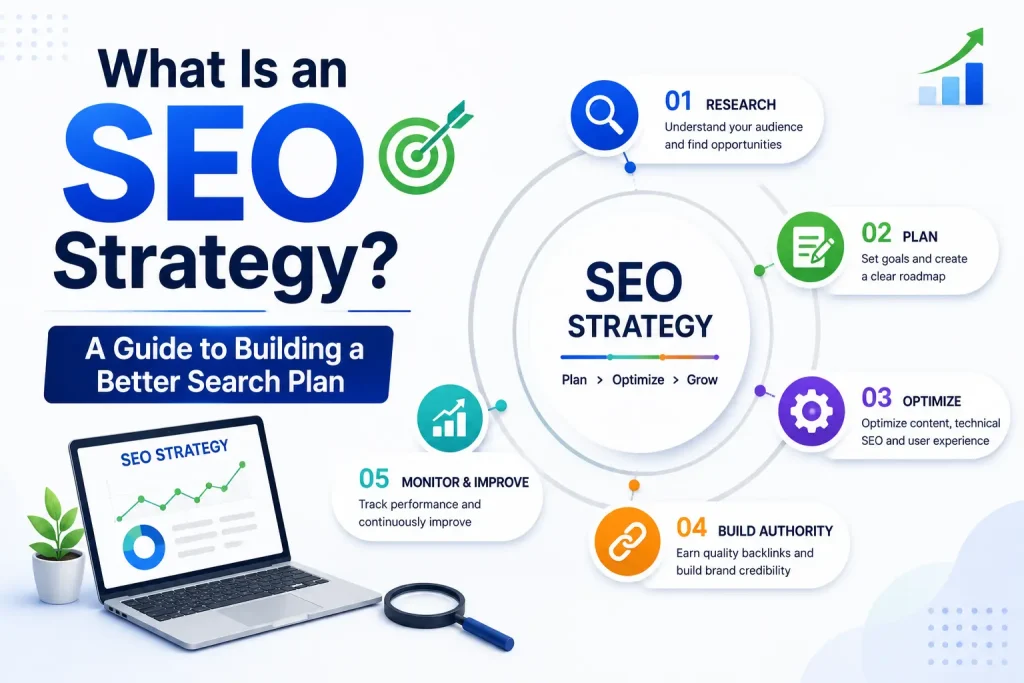
What Is an SEO Strategy A Guide to Building a Better Search Plan
SEO

What Is an SEO Strategy? A Guide to Building a Better Search Plan

An SEO strategy is a structured plan for improving a website’s visibility in search engines and attracting relevant organic traffic. Instead of making random website changes, a well-planned strategy connects business goals, audience needs, keywords, content, and technical improvements. Understanding how SEO strategy works helps businesses prioritize the actions that can improve their search presence over time. A strong approach focuses on creating useful experiences for users while making it easier for search engines to understand, crawl, and evaluate website content. In This Article What Is an SEO Strategy? An SEO strategy is a planned approach to improving a website’s performance in organic search results. It provides direction for activities such as keyword research, content optimization, technical SEO, website improvements, and authority building. Rather than focusing only on individual keywords, an effective strategy looks at the bigger picture. It considers what users are searching for, what information they need, and how a business website can provide the most relevant and useful answers. A good strategy also evolves as the website, audience, competition, and search environment change. Key Elements of an SEO Strategy Plan A practical SEO strategy plan usually begins with clear objectives. A business should understand whether it wants to increase relevant website traffic, improve visibility for important services, strengthen brand awareness, or support lead generation. The next step involves understanding the target audience and search intent. Keyword research can identify the topics and questions people use when searching for relevant products, services, or information. Other important elements include: These elements work together rather than operating as isolated activities. How to Build an SEO Strategy Learning how to build an SEO strategy starts with understanding your current website position. Review important pages, identify technical issues, evaluate existing content, and determine which topics are most valuable to your audience. Next, create priorities based on business relevance and search demand. Develop useful content around important topics, optimize existing pages, and ensure the website provides a clear user experience. An effective strategy should also define how progress will be monitored. Search visibility, organic traffic, user engagement, and relevant conversions can help businesses understand whether their efforts are supporting their objectives. How an SEO Strategy Framework Works An SEO strategy framework provides a repeatable structure for planning and improving search performance. A simple framework can follow this process: Research β†’ Plan β†’ Optimize β†’ Publish β†’ Measure β†’ Improve Research identifies opportunities and audience needs. Planning determines priorities. Optimization improves content and website elements. Measurement helps identify what needs further attention. Modern search experiences also make content clarity and topical relevance increasingly valuable. Well-structured, answer-focused information can help users understand a topic quickly while giving search systems clearer context about a page. Why a Long-Term SEO Strategy Matters Search engine optimization  is not simply about making one-time changes and expecting permanent results. Websites need ongoing attention as content becomes outdated, competitors improve, and search behavior changes. A long-term SEO strategy helps businesses make more informed decisions instead of chasing short-term tactics. It creates a stronger foundation for consistent content improvement, technical maintenance, and sustainable search visibility. Frequently Asked Questions 1. What is an SEO strategy in simple words? An SEO strategy is a planned approach to improving a website so it can become more visible and useful in relevant search results. 2. How do you build an SEO strategy? Start by understanding your business goals, target audience, keywords, search intent, existing website performance, and the improvements needed across content and technical SEO. 3. What should an SEO strategy plan include? A strong SEO strategy plan can include keyword research, content planning, on-page optimization, technical improvements, internal linking, and ongoing performance monitoring. 4. How long does an SEO strategy take to work? SEO results can vary depending on factors such as competition, website condition, content quality, and the work required. SEO should generally be approached as an ongoing process rather than a guaranteed short-term result. Conclusion A successful SEO strategy provides a clear direction for improving search visibility. By connecting audience needs, valuable content, website quality, and ongoing optimization, businesses can build a stronger foundation for long-term organic growth. Build a Clearer Search Strategy for Your Business If your business needs a structured approach to improving search visibility and organic growth, TVM Info Solutions provides professional SEO support focused on relevant strategy, website optimization, and long-term digital improvement. Our team can help you assess your requirements and develop an approach aligned with your business goals. TVM Info offers Search Engine Optimization (SEO) as part of its digital marketing services. πŸ“ž Call Us: +919004590039πŸ“§ Email: contact@tvminfo.com Our Business Automation Solutions: πŸ’¬ ChatKar – Turn WhatsApp chats into sales: https://chatkar.com/🌟 StarCreator – Build AI automations: https://starcreator.co/πŸ“§ AutoMailSend – Own your email marketing: https://automailsend.com/🎯 AttractLead – Capture & convert leads automatically: https://attractlead.in/
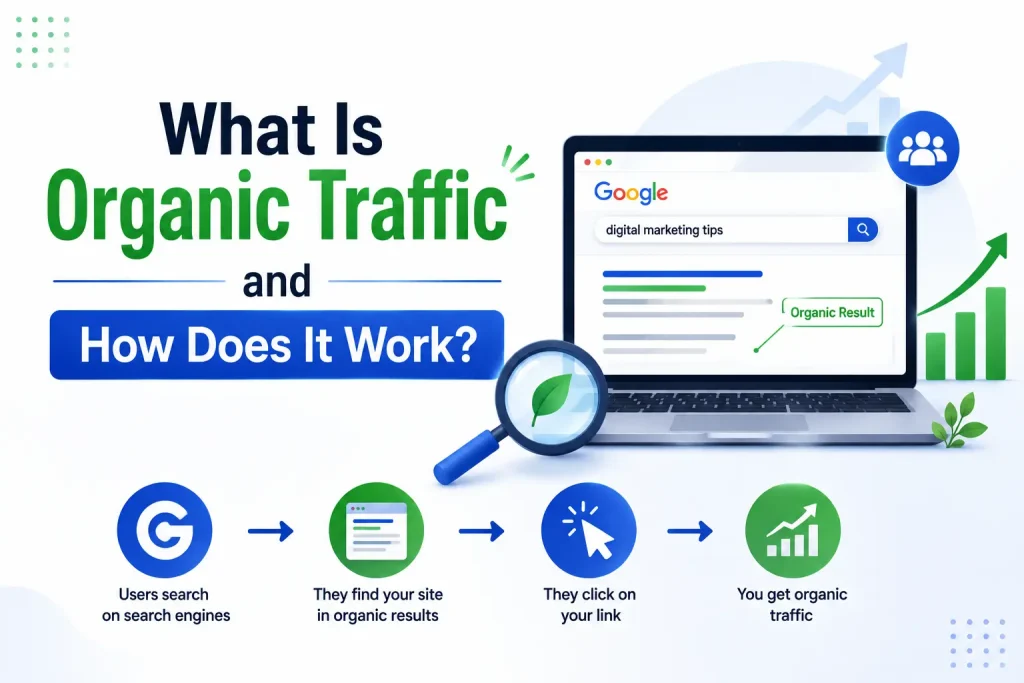
What Is Organic Traffic and How Does It Work
SEO

What Is Organic Traffic and How Does It Work?

Organic Traffic refers to visitors who reach a website through unpaid search engine results. When someone searches for information, products, or services on Google or another search engine and clicks a non-paid result, that visit is generally counted as organic search traffic. For businesses, understanding what is organic traffic is important because it helps explain how people discover a website naturally through search. This article explains how organic traffic works, why it matters, and what businesses can do to build a stronger long-term search presence. In This Article What Is Organic Traffic? Organic traffic is website traffic generated through unpaid listings on search engine results pages. Unlike paid advertisements, businesses do not pay directly for every visitor who clicks an organic result. For example, if a user searches for “digital marketing services“, finds a relevant website in the search results, and clicks it without interacting with an advertisement, that visit can be considered organic website traffic. Organic traffic can come from different search engines, although Google is the primary search platform for many businesses and users. How Does Organic Traffic Work? To understand how organic traffic works, it helps to understand the basic search process. Search engines discover website pages, process and organize information, and attempt to show relevant results for a user’s search query. When a website has useful content that matches what people are searching for, it may become eligible to appear in relevant search results. A typical process looks like this: Website content β†’ Search engine discovery β†’ Indexing β†’ Search result visibility β†’ Website visit The quality and relevance of the page, its technical accessibility, content structure, and overall usefulness can influence its visibility. Search Engine Optimization (SEO) focuses on improving these areas to help search engines better understand a website and connect it with relevant searches. Why Is Organic Search Traffic Important? A strong flow of organic search traffic can support long-term digital visibility. It helps businesses reach users who are actively searching for answers, information, products, or services related to their needs. Some important benefits include: However, traffic volume alone is not the main goal. Relevant traffic from the right audience is generally more valuable than large numbers of unrelated visitors. What Factors Influence Organic Website Traffic? Several SEO techniques can influence how easily search engines understand and evaluate website pages. Important factors include high-quality content, relevant keyword targeting, clear website structure, mobile usability, page performance, internal linking, and technical accessibility. Content should answer genuine user questions rather than simply repeat keywords. A technically sound website also makes it easier for search engines to discover and process important pages. Businesses should focus on creating useful pages that match search intent and provide a clear, positive user experience. How Can Businesses Improve Organic Traffic? Improving organic traffic usually requires a consistent and structured SEO strategy rather than a single change. Businesses can begin by understanding what their target audience searches for, creating useful content around relevant topics, improving important website pages, and resolving technical issues that may affect search visibility. Regular performance monitoring is also valuable because it helps businesses understand which pages attract visitors and where improvements may be needed. A professional SEO strategy should connect content, technical optimization, and user experience with genuine business objectives. Frequently Asked Questions 1. What is the difference between organic traffic and paid traffic? Organic traffic comes from unpaid search results, while paid traffic comes from advertisements where businesses pay for visibility or clicks. 2. Is organic traffic the same as direct traffic? No. Organic traffic comes through search engine results, while direct traffic generally refers to visits where a user enters a website address directly or the source cannot be clearly identified. 3. How long does it take to improve organic traffic? There is no fixed timeline. Results can depend on factors such as website condition, competition, content quality, technical issues, and the effectiveness of the overall SEO strategy. 4. Can small businesses benefit from organic search traffic? Yes. Small businesses can benefit by creating useful, relevant content and improving their website for the searches most closely connected to their products, services, and audience. Conclusion Organic traffic represents visitors who discover a website through unpaid search results. Building sustainable organic search traffic requires useful content, technical accessibility, relevant optimization, and a clear understanding of what users are searching for. Rather than focusing only on traffic numbers, businesses should aim to attract the right audience and create website experiences that support meaningful engagement. Build a Stronger Organic Search Strategy for Your Business A well-planned SEO approach can help businesses improve how their website is understood by search engines and discovered by relevant audiences. TVM Info Solutions provides professional Search Engine Optimization support for businesses looking to strengthen their search visibility and organic growth strategy. πŸ“ž Call Us: +919004590039πŸ“§ Email: contact@tvminfo.com Our Business Automation Solutions: πŸ’¬ ChatKar – Turn WhatsApp chats into sales: https://chatkar.com/🌟 StarCreator – Build AI automations: https://starcreator.co/πŸ“§ AutoMailSend – Own your email marketing: https://automailsend.com/🎯 AttractLead – Capture & convert leads automatically: https://attractlead.in/

What Are the Benefits of SEO for Businesses
SEO

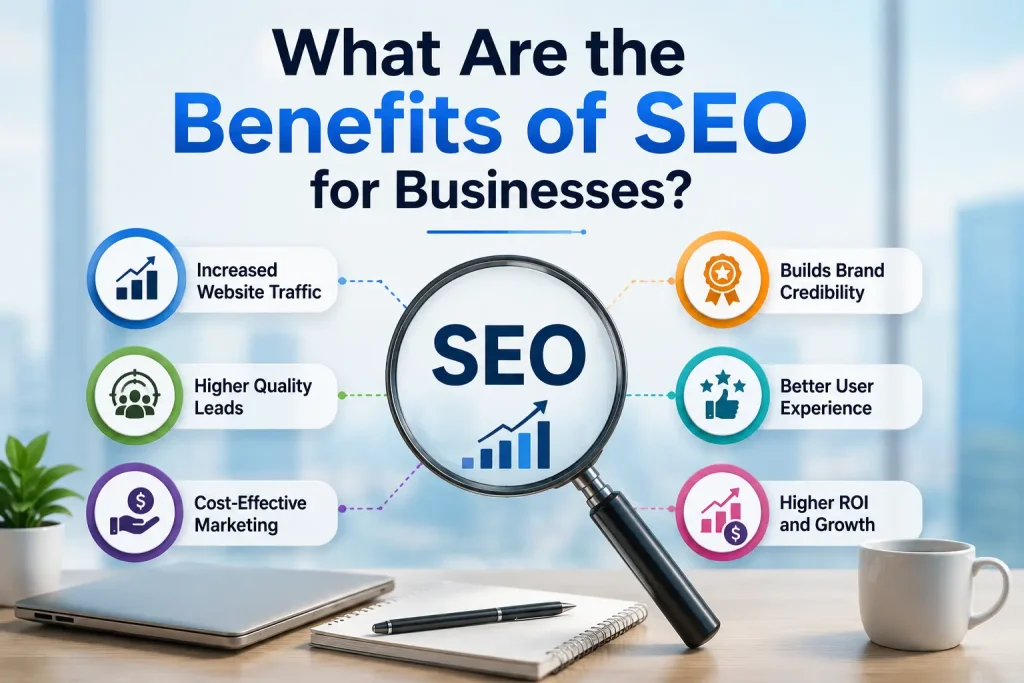
What Are the Benefits of SEO for Businesses?

SEO, or Search Engine Optimization, helps businesses improve their visibility in search engine results and attract people who are actively looking for relevant products, services, or information. Understanding the benefits of SEO is important for businesses that want to build a stronger online presence and generate sustainable website traffic. A well-planned SEO approach focuses on improving website content, technical performance, user experience, and search relevance. This article explains the key benefits and why Search Engine Optimization can be an important part of a long-term digital growth strategy. In This Article SEO Helps Improve Search Visibility One of the main benefits of SEO is improved visibility in search results. When your website is properly optimized, search engines can better understand your pages and determine when they may be relevant to a user’s search. Search Engine Optimization involves areas such as keyword research, helpful content, on-page optimization, technical SEO, and website structure. These elements work together to make important business information easier to discover. Better visibility does not guarantee a specific ranking position, but a strong SEO foundation can improve a website’s ability to compete for relevant searches. SEO Attracts More Relevant Organic Traffic SEO can help businesses attract visitors with genuine interest in what they offer. Unlike broad marketing efforts, search optimization focuses on understanding search intentβ€”what users are actually trying to find. For example, a person searching for a specific service, solution, or business-related answer may already have a clear need. By creating relevant pages that answer those searches, businesses can attract more qualified website visitors. This is an important benefits of SEO strategy because traffic quality often matters more than simply increasing visitor numbers. SEO Can Build Trust and Brand Credibility People often use search engines to research businesses before making decisions. A website with useful content, clear information, a good user experience, and strong technical performance can help create a more trustworthy digital presence. SEO also encourages businesses to improve important website elements, including page organization, mobile usability, and content quality. When users can easily find accurate information and navigate a website without difficulty, it can support a stronger overall brand experience. SEO Supports Long-Term Digital Growth Another major benefit of SEO is its potential to support long-term digital growth. High-quality content and well-optimized website pages can continue helping users discover a business over time. SEO requires ongoing attention because search behavior, competition, and website requirements can change. However, building useful content and a strong website foundation can create lasting value. A practical benefits of SEO strategy should focus on business goals rather than chasing rankings alone. Relevant traffic, user engagement, inquiries, and conversions are all important considerations. SEO Improves the Overall Website Experience Good SEO is closely connected with a better website experience. Search engines aim to provide users with useful and accessible results, which makes factors such as page relevance, mobile usability, clear navigation, and helpful content important. For example, improving website development and technical performance can support both search visibility and user experience. This means SEO should not be treated as simply adding keywords to a page. Effective optimization involves creating a website that helps users find information and take the next step easily. Frequently Asked Questions 1. What are the main benefits of SEO? The main benefits of SEO include improved search visibility, relevant organic traffic, stronger brand credibility, better website experience, and long-term digital growth opportunities. 2. Why is SEO important for businesses? SEO can help businesses improve their online visibility and compete for searches related to their products or services. A focused SEO strategy can target relevant audiences based on their search intent. 3. How long does SEO take to show results? SEO timelines can vary depending on competition, website condition, content quality, technical issues, and the overall strategy. Search Engine Optimization generally requires consistent effort rather than expecting immediate results. 4. Is SEO only about ranking on Google? No. SEO also involves improving content quality, website accessibility, technical performance, user experience, and relevance for people searching for information or services. Conclusion The benefits of SEO go beyond improving rankings. A well-planned SEO approach can help businesses increase visibility, attract relevant visitors, strengthen credibility, and build a better digital presence. The most effective approach is to focus on users, search intent, quality content, and a strong website foundation rather than relying on shortcuts. Build a Stronger Search Presence for Your Business Every business has different audiences, goals, and levels of competition. A customized SEO strategy can help identify the right opportunities and improve the overall search experience. TVM Info Solutions provides professional SEO support for businesses looking to strengthen their online visibility and build a more effective digital presence. Discuss your business requirements to explore the right strategy for your goals. πŸ“ž Call Us: +919004590039πŸ“§ Email: contact@tvminfo.com Our Business Automation Solutions: πŸ’¬ ChatKar – Turn WhatsApp chats into sales: https://chatkar.com/🌟 StarCreator – Build AI automations: https://starcreator.co/πŸ“§ AutoMailSend – Own your email marketing: https://automailsend.com/🎯 AttractLead – Capture & convert leads automatically: https://attractlead.in/ Connect with us:πŸ“Έ Instagram: https://www.instagram.com/tvm_infosolution/πŸ“˜Facebook: https://www.facebook.com/people/Tvm-Info-Solutions-Pvt-Ltd/61555896761755/πŸ”— LinkedIn: https://in.linkedin.com/company/tvminfo▢️ YouTube: https://www.youtube.com/@tvminfosolutions

Scroll to Top