
User Intent

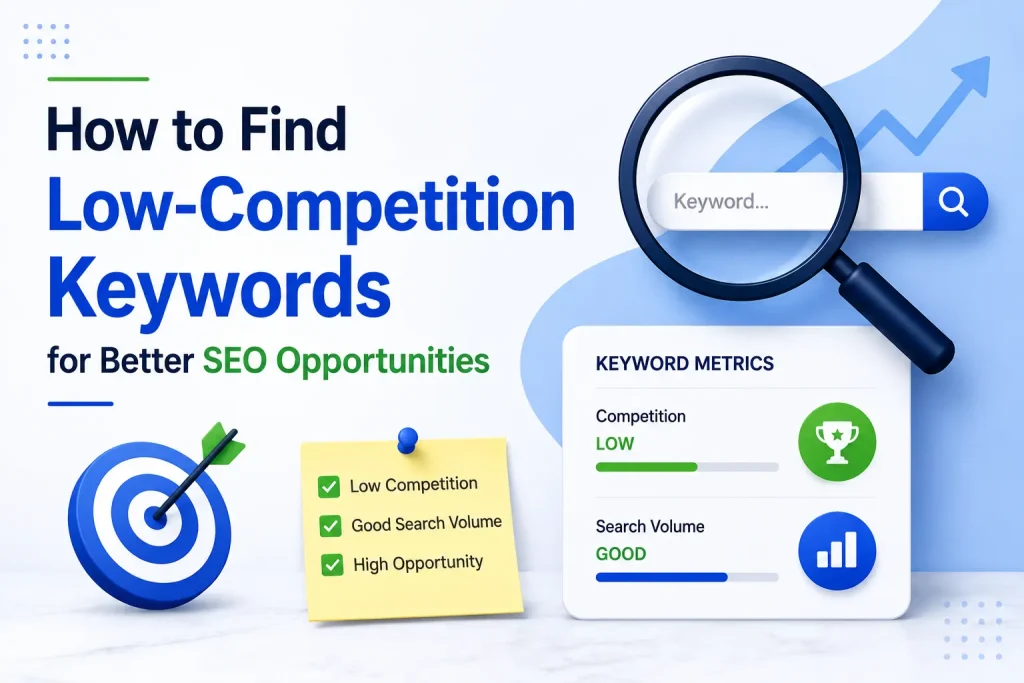
How to Find Low-Competition Keywords for Better SEO Opportunities
SEO

How to Find Low-Competition Keywords for Better SEO Opportunities

Finding the right keywords is not only about choosing terms with high search volume. Businesses also need to identify realistic opportunities where their content can compete. Learning how to Find Low-Competition Keywords can help you discover relevant search terms that match your audience’s needs while facing less competition from established websites. A strong keyword strategy combines relevance, search intent, competition, and content quality. Here is a practical approach to finding valuable keyword opportunities. In This Article What Are Low-Competition Keywords? Low-competition keywords are search terms where it may be comparatively easier to compete in search results than highly competitive terms. However, low competition does not automatically mean a keyword is valuable. The best opportunities are usually relevant to your business, match a clear user need, and can be supported with useful content. For example, a broad keyword may be highly competitive, while a more specific long-tail search query can have clearer intent and fewer competing pages targeting exactly that topic. Start With Low-Competition Keyword Research Effective low-competition keyword research starts with understanding what your audience searches for. Begin by listing your products, services, customer problems, and common questions. You can then explore: These sources can reveal specific phrases that people may use when searching for information, solutions, or services. Instead of targeting only broad terms, look for detailed queries that address a particular problem. These often create useful keyword research opportunities for businesses building topical authority. How to Find Easy-to-Rank Keywords When learning how to find easy-to-rank keywords, look beyond a keyword difficulty score. SEO tools can provide useful estimates, but you should also manually review the search results. Search the keyword and examine: If the existing results are weak, outdated, poorly focused, or incomplete, there may be an opportunity to create more helpful content. The goal is not simply to find a keyword with the lowest competition. The goal is to identify searches where your business can provide a genuinely valuable answer. Perform Keyword Competition Analysis A proper keyword competition analysis helps you understand what you are competing against. Look at the top-ranking pages and ask whether your website can realistically create content that is equally useful or better suited to the user’s needs. Consider factors such as content relevance, search intent, website authority, and topic coverage. Also, avoid judging competition based on one metric alone. A keyword may have a low difficulty score but still be dominated by highly relevant, authoritative pages. Combining tool-based research with manual SERP analysis gives you a more practical view of the opportunity. Choose Keywords That Support Your Business Goals The best keywords should connect with your target audience and business objectives. A highly searchable phrase is not useful if it attracts visitors who are unlikely to benefit from your products or services. Build content around related keyword groups rather than creating separate pages for every small variation. This helps create stronger, more comprehensive content that addresses the topic naturally. For long-term SEO, focus on creating useful pages that satisfy search intent instead of chasing keyword difficulty alone. Frequently Asked Questions Q1. What is a low-competition keyword? Ans: A low-competition keyword is a search term that may be easier to compete for compared with highly competitive keywords, depending on the quality and strength of existing search results. Q2. How do I find low-competition keywords for SEO? Ans: You can use keyword research tools, Google search suggestions, related searches, customer questions, and manual SERP analysis to identify relevant opportunities. Q3. Are low-competition keywords always easy to rank for? Ans: No. Competition scores are estimates. Actual ranking difficulty also depends on search intent, content quality, relevance, and competing websites. Q4. Should I target only low-competition keywords? Ans: No. A balanced keyword strategy can include low-competition opportunities alongside broader and more competitive terms that are relevant to your business. Conclusion Learning how to Find Low-Competition Keywords requires more than selecting terms with a low difficulty score. The strongest opportunities combine relevance, realistic competition, clear search intent, and genuine business value. A thoughtful keyword strategy can help businesses create more focused content and identify opportunities worth pursuing. Build a Smarter Keyword Strategy for Your Business Finding the right keyword opportunities requires careful research and a clear understanding of your audience and search landscape. TVM Info Solutions provides professional Search Engine Optimization (SEO) support to help businesses develop relevant strategies for improving their search visibility and digital presence. 📞 Call Us: +919004590039📧 Email: contact@tvminfo.com Our Business Automation Solutions: 💬 ChatKar – Turn WhatsApp chats into sales: https://chatkar.com/🌟 StarCreator – Build AI automations: https://starcreator.co/📧 AutoMailSend – Own your email marketing: https://automailsend.com/🎯 AttractLead – Capture & convert leads automatically: https://attractlead.in/
Types of Search Intent A Guide to Understanding User Searches
SEO

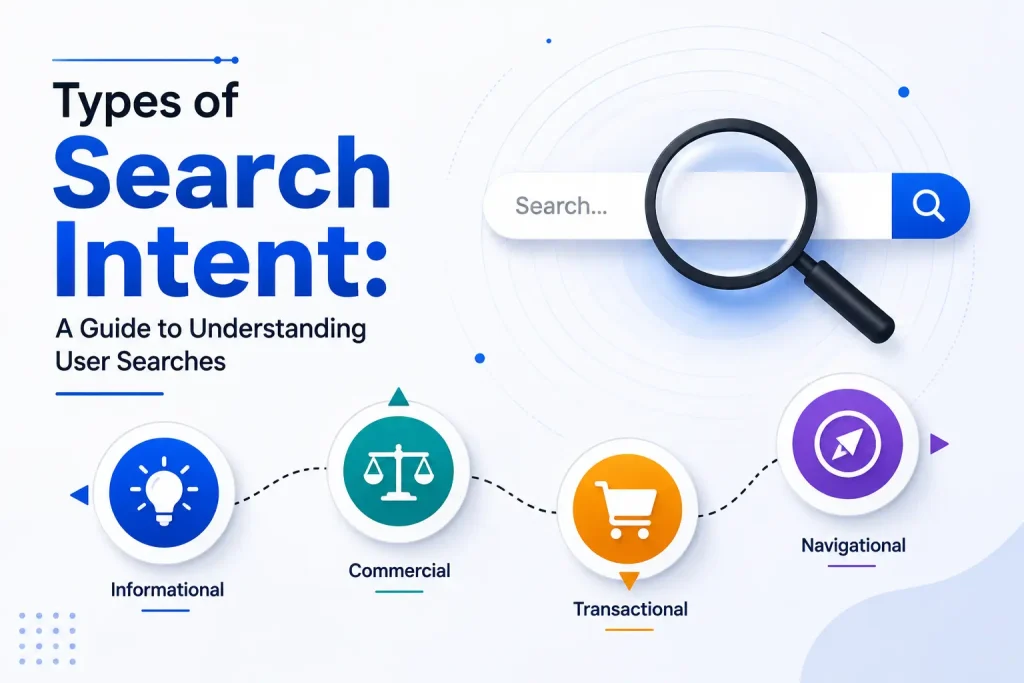
Types of Search Intent: A Guide to Understanding User Searches

Understanding Types Of Search Intent helps businesses create content that matches what people actually want when they search online. A keyword alone does not explain the complete purpose behind a search. The words a user types often reveal whether they want information, a specific website, product comparisons, or are ready to take action. By understanding the different types of search intent, businesses can create more relevant content, improve the user experience, and build a stronger SEO strategy. In This Article What Is Search Intent? Search intent, also called user intent in SEO, is the purpose behind a person’s search query. It explains what the user expects to find after entering specific words into a search engine. For example, someone searching for “what is SEO” wants information, while someone searching for “SEO agency near me” is likely looking for a service provider. Understanding this difference helps marketers choose the right content format and message for each keyword. The Four Main Types of Search Intent 1. Informational Search Intent Informational search intent occurs when users want to learn about a topic or find an answer to a question. Common examples include: These searches are usually best served with blog articles, guides, tutorials, and educational content. The goal is to provide a clear and useful answer rather than immediately push a sale. 2. Navigational Search Intent Navigational search intent occurs when users want to visit a specific website, brand, or online destination. Examples include: The user already knows where they want to go. Businesses should make sure their brand pages and website navigation are easy to find and understand. 3. Commercial Search Intent Commercial search intent means the user is researching options before making a decision. They may be comparing products, services, brands, or providers. Examples include: These users are interested in a solution but may need more information before taking the next step. Service pages, comparison content, reviews, and detailed guides can help address this stage of the decision-making process. 4. Transactional Search Intent Transactional search intent indicates that the user is ready to complete an action. This could include making a purchase, booking a service, requesting a quote, or signing up. Examples include: For these searches, businesses should provide clear calls to action, relevant landing pages, and a simple path for users to complete their intended action. Why Do Types of Search Intent Matter for SEO? Choosing keywords without understanding search intent can lead to content that does not match the user’s expectations. A detailed educational article may not satisfy someone looking to purchase a service, while a sales-focused page may not help someone searching for basic information. By analyzing Types Of Search Intent, businesses can create content that better matches the user’s journey. This improves content relevance and helps build a more effective Search Engine Optimization (SEO) strategy. Modern search experiences also increasingly focus on providing direct and relevant answers. Creating clear, well-structured, answer-focused content can therefore support both traditional search visibility and evolving AI-powered search experiences. How Businesses Can Use Search Intent in Their Content Strategy Before creating content, identify the purpose behind the target keyword. Ask whether the user wants to learn, find, compare, or take action. Then match the content format to that purpose. Educational searches may require blogs, commercial searches may benefit from comparison pages, and transactional searches need focused service or landing pages. A strong content strategy considers the user’s needs at every stage instead of using the same approach for every keyword. Frequently Asked Questions 1. What are the four types of search intent? The four main types are informational, navigational, commercial, and transactional search intent. Each represents a different reason behind a user’s search. 2. Why is search intent important in SEO? Search intent in SEO helps businesses create content that matches what users expect to find, improving relevance and the overall search experience. 3. How can I identify the search intent of a keyword? Look at the wording of the keyword and consider what the user wants to achieve. Search terms may indicate whether they want information, a website, comparisons, or an action. 4. Can one keyword have more than one search intent? Yes. Some keywords can have mixed intent, especially broad terms. Reviewing the search context and the type of content users expect can help determine the most relevant approach. Conclusion Understanding the different types of search intent is an essential part of creating useful SEO content. Whether users are looking for information, a specific website, comparisons, or a transaction, the content should match their purpose as closely as possible. A search-intent-focused approach helps businesses create more relevant content and develop a stronger connection between keywords, content, and user needs. Build an SEO Strategy Around Real User Intent A successful SEO strategy requires more than selecting relevant keywords. Businesses also need to understand what their audience expects from every search. TVM Info Solutions provides professional SEO support and digital marketing strategies for businesses looking to create more relevant, user-focused search experiences and strengthen their online visibility. 📞 Call Us: +919004590039📧 Email: contact@tvminfo.com Our Business Automation Solutions: 💬 ChatKar – Turn WhatsApp chats into sales: https://chatkar.com/🌟 StarCreator – Build AI automations: https://starcreator.co/📧 AutoMailSend – Own your email marketing: https://automailsend.com/🎯 AttractLead – Capture & convert leads automatically: https://attractlead.in/

What Is Search Intent in SEO Types Examples and Why It Matters
SEO

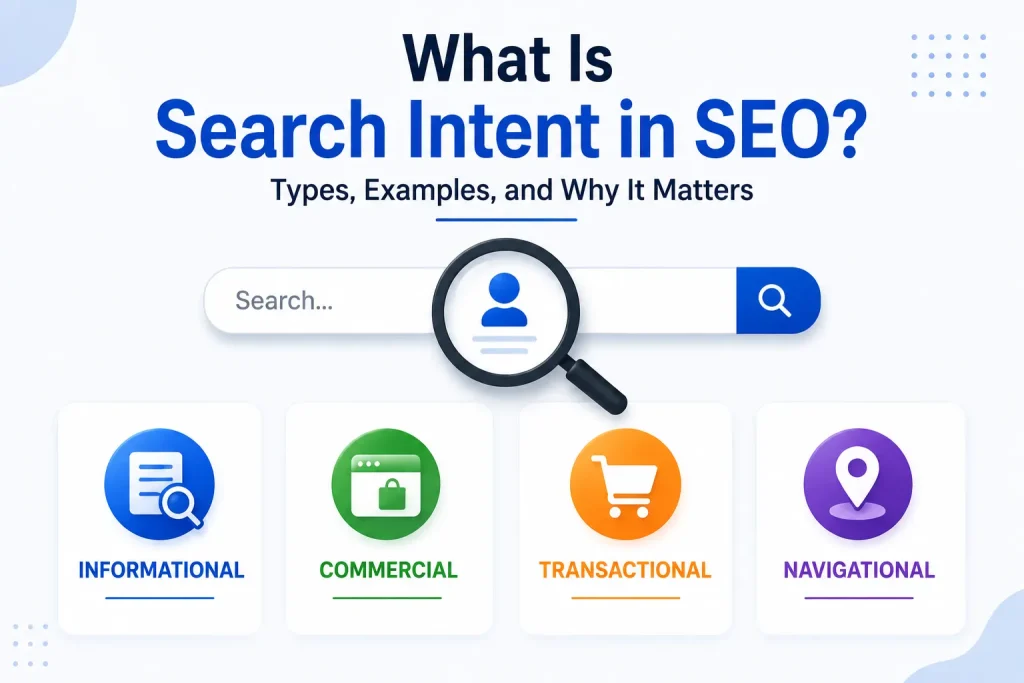
What Is Search Intent in SEO? Types, Examples, and Why It Matters

Search Intent in SEO refers to the purpose behind a user’s search query. In simple terms, it helps businesses understand what a person actually wants to find when they type something into a search engine. Understanding user intent in SEO is essential because creating content around the right keywords alone is not enough. Your page must also provide the type of information, product, service, or solution the user expects. This article explains what is search intent, its main types, practical examples, and why it matters for an effective SEO strategy. In This Article What Is Search Intent? When people ask what is search intent, the simplest answer is that it is the reason behind a search. For example, someone searching for “what is SEO” wants information. However, someone searching for “SEO agency near me” is likely looking for a service provider. Both searches may relate to SEO, but the user’s purpose is completely different. Understanding this difference helps businesses create content that better matches what users are looking for. The Main Types of Search Intent Search intent is commonly divided into four main categories: Informational Intent: The user wants to learn something. Searches such as “search intent examples” or “how does SEO work” fall into this category. Navigational Intent: The user wants to visit a specific website, brand, or page. For example, searching for a company’s name usually indicates navigational intent. Commercial Investigation: The user is researching options before making a decision. Searches such as “best SEO services for businesses” show that the person is comparing solutions. Transactional Intent: The user is ready to take action, such as buying a product, booking a service, or submitting an inquiry. Search Intent Examples and How They Work Understanding search intent examples makes the concept easier to apply. A search for “best digital marketing strategies” usually requires an informative article. A search for “digital marketing agency Mumbai” is more likely to require a service-focused page. Before creating content, businesses should consider: The answers help determine whether the page should be a blog, service page, product page, comparison guide, or another content format. Why Search Intent Matters for SEO A strong SEO strategy should focus on relevance, not simply keyword placement. If a user searches for information and lands on a page that immediately tries to sell something, the content may fail to meet their expectations. Matching user intent in SEO can help businesses create more useful content and improve the overall search experience. It also helps organize a website around different stages of the customer journey. For modern search environments, clear and well-structured content can also make it easier for search systems and users to understand the purpose of a page. How to Optimize Content for Search Intent Start by analyzing the search query and the user’s likely objective. Then create content that directly addresses that need. Use clear headings, relevant information, practical examples, and an appropriate content format. Avoid adding unnecessary promotional content when the user is simply looking for an answer. For businesses, understanding the difference between keywords and search intent can lead to better content planning. Keywords tell you what people are searching for, while intent helps explain why they are searching. Frequently Asked Questions 1. What is search intent in SEO? Search intent in SEO is the purpose behind a user’s search query. It helps determine what type of content the user expects to find. 2. What are the four types of search intent? The four common types are informational, navigational, commercial, and transactional intent. 3. Why is search intent important for SEO? Search intent is important because it helps businesses create content that matches user expectations and provides more relevant answers. 4. How can I identify search intent? You can identify intent by analyzing the wording of the search query and considering whether the user wants information, a specific website, a comparison, or to take action. Conclusion Understanding Search Intent in SEO helps businesses move beyond simple keyword targeting. By identifying what users genuinely want and creating content that matches their needs, websites can provide a better and more relevant search experience. Build a More User-Focused SEO Strategy Creating content that matches the right search intent requires thoughtful keyword research, content planning, and SEO strategy. TVM Info Solutions provides professional Search Engine Optimization (SEO) support for businesses looking to improve their website’s relevance and search visibility through a structured approach. 📞 Call Us: +919004590039📧 Email: contact@tvminfo.com Our Business Automation Solutions: 💬 ChatKar – Turn WhatsApp chats into sales: https://chatkar.com/🌟 StarCreator – Build AI automations: https://starcreator.co/📧 AutoMailSend – Own your email marketing: https://automailsend.com/🎯 AttractLead – Capture & convert leads automatically: https://attractlead.in/

Scroll to Top