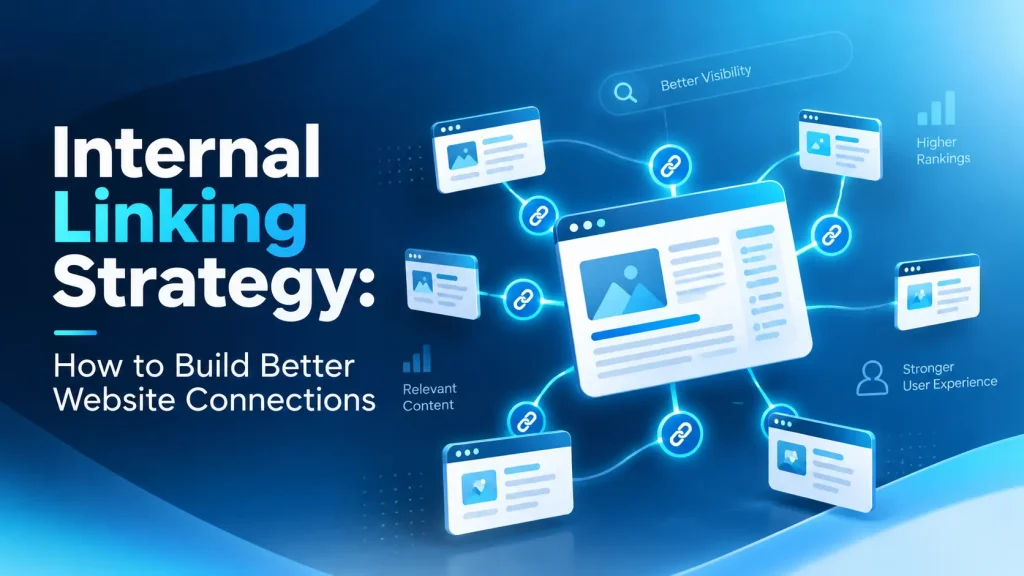
Internal Linking Strategy: How to Build Better Website Connections
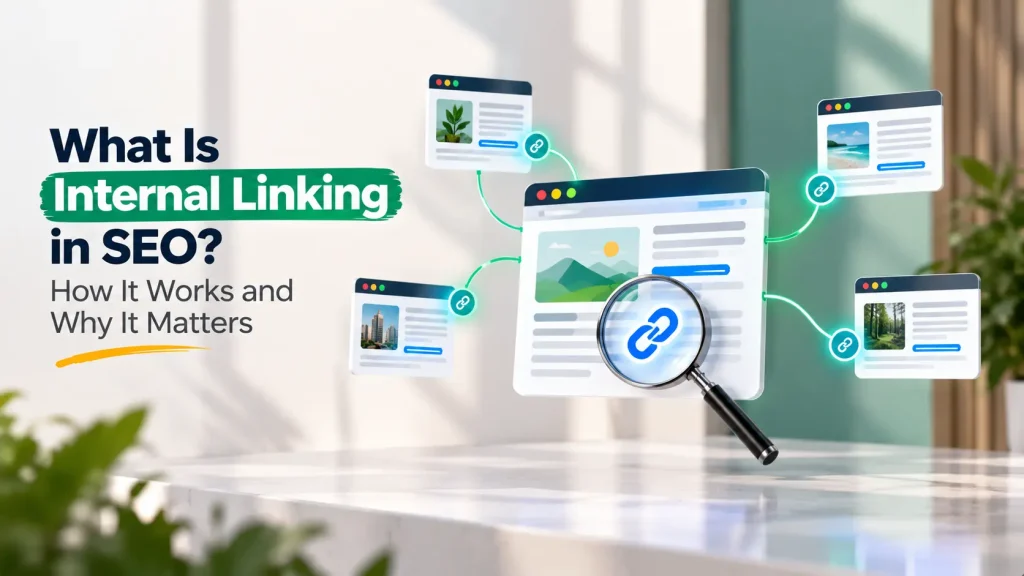
A strong internal linking strategy helps connect related pages across a website, making it easier for visitors to discover useful information and for search engines to understand the site’s structure. Instead of adding links randomly, businesses should create a clear path between important pages, supporting content, and relevant resources. Knowing how to use internal links effectively can improve website navigation, distribute attention across related pages, and create a more organized SEO structure. This article explains how internal linking works, how to add internal links, and what makes a linking strategy useful. In This Article What Is an Internal Linking Strategy? An internal linking strategy is a planned approach to linking one page on your website to another page on the same domain. These links can connect blog posts, service pages, product pages, category pages, and other useful resources. A good strategy starts with relevance. For example, a blog article about SEO can naturally link to a related SEO service page or another useful article about keyword optimization. This creates a logical relationship between pages instead of treating every link as an isolated element. How to Use Internal Links Effectively The first step is to identify pages that naturally support one another. When deciding how to use internal links, ask whether the destination provides additional information that the reader may genuinely need. Use descriptive anchor text that explains the destination. Instead of “click here,” a phrase such as SEO services gives users clearer context. It is also useful to connect informational content with relevant commercial pages when the transition feels natural. A blog discussing search optimization, for example, can point readers toward a relevant service page without interrupting the article. How to Add Internal Links Naturally When considering how to add internal links, start by reviewing existing content and identifying meaningful connections. A practical process is: Internal links should support the reader’s journey, not simply increase the number of links on a page. Internal Linking Best Practices for SEO Effective internal linking in SEO depends on relevance, clarity, and structure. Important pages should be accessible through useful internal links rather than being isolated from the rest of the website. Use varied but descriptive anchor text where appropriate, and avoid forcing the same keyword into every link. Links should also be distributed naturally throughout useful content instead of being grouped together without context. A strong internal link building strategy can also help organize related content into logical topic groups. For example, several detailed articles about SEO can point toward a broader SEO resource, while that resource can connect readers to more specific supporting pages. Common Website Internal Linking Mistakes Common problems include linking unrelated pages, using vague anchor text, creating too many links in a small section, and leaving important pages difficult to reach. Another mistake is adding links purely for SEO without considering whether they help the reader. Every internal link should have a clear purpose. Regularly reviewing your website internal linking can reveal broken links, outdated destinations, isolated pages, and opportunities to strengthen relationships between related content. Frequently Asked Questions Q1. What is an internal linking strategy? Ans: An internal linking strategy is a planned method of connecting relevant pages within the same website to improve navigation, content relationships, and website structure. Q2. How many internal links should a page have? Ans: There is no universal number. Add internal links whenever they provide genuine value and fit naturally within the content. Relevance is more important than quantity. Q3. Does internal linking help SEO? Ans: Internal links can help search engines discover pages and understand relationships between content. They can also make it easier for visitors to navigate related information. Q4. Should every internal link use the same keyword? Ans: No. Repeating the same keyword unnecessarily can make links look unnatural. Use clear, descriptive anchor text that accurately represents each destination. Conclusion A well-planned internal linking strategy turns separate website pages into a connected information structure. By linking relevant content with descriptive anchor text and prioritizing user needs, businesses can create a website that is easier to navigate and easier for search engines to understand. The goal is not to add more links simply for SEO. The goal is to create useful connections between valuable pages. Strengthen Your Website’s Internal SEO Structure For businesses with large or growing websites, maintaining a clear linking structure can become difficult as new pages and content are added. TVM Info Solutions provides professional SEO support, including technical and on-page optimization, to help businesses build a more organized search strategy. If you need professional assistance with your website’s SEO structure and content optimization, discuss your requirements with the TVM Info team. 📞 Call Us: +919004590039📧 Email: contact@tvminfo.com Our Business Automation Solutions: 💬 ChatKar – Turn WhatsApp chats into sales🌟 StarCreator – Build AI automations📧 AutoMailSend – Own your email marketing🎯 AttractLead – Capture & convert leads automatically